

Decoding the CBD Vape Market: A No-Nonsense Guide to Cartridges and Pens
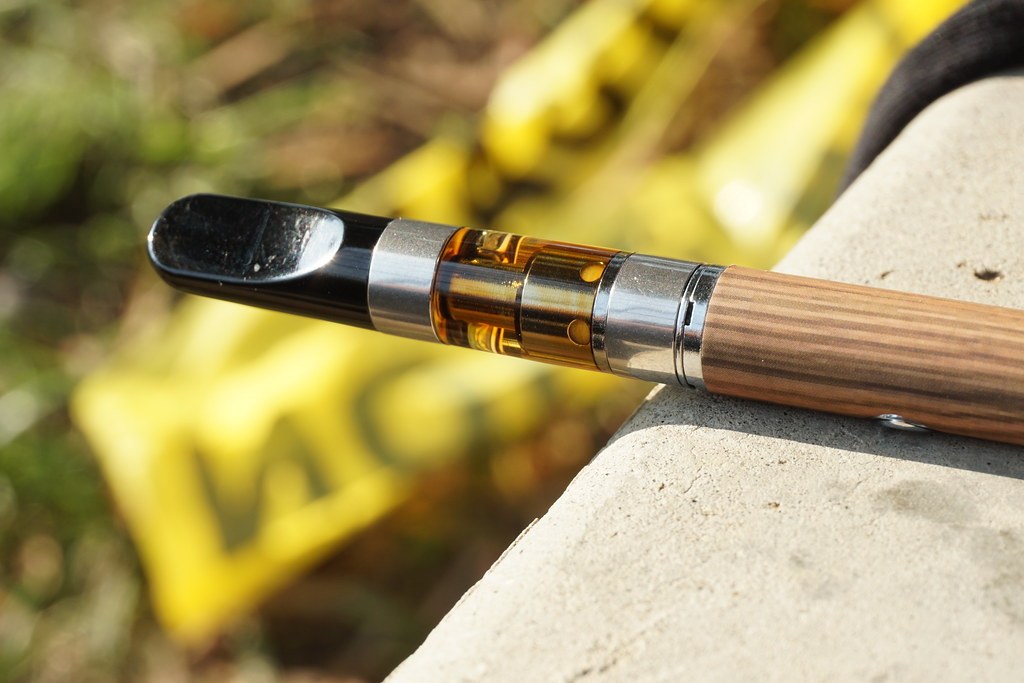
CBD cartridges and vape pens use a heating element to turn liquid cannabidiol (CBD) into vapor for you to inhale. If you need relief that works fast, vaping is usually your best bet. The compounds hit your bloodstream through your lungs almost immediately, so you aren’t stuck waiting on your digestive tract like you would be with an edible.
You might wonder why anyone would choose these over traditional oils. It really just comes down to convenience and speed. When you use a CBD oil cartridge with strain-specific terpenes, you’re getting a much more targeted, immediate effect than a gummy or a tincture can provide.
But don’t just walk into a dispensary and grab the first thing you see. The market is a mess of weird hardware, different concentrations, and confusing labels. You need to know exactly what you’re pulling into your lungs before you start hitting it.
The Mechanics of the Hit: Hardware and Compatibility
First, «CBD vape» isn’t a single thing. It’s a category. You have disposables, which are all-in-one units you just toss when they’re empty, and you have cartridges, which need a separate battery to work. Most modern cartridges use the 510-thread connection. This is the universal screw-on standard that works with almost any standard battery you’ll find.
If you already have a battery, just check if it’s compatible. If you’re starting from scratch, a disposable is the easiest way to go, though cartridges generally give you more control. You can adjust the heat of the draw, which changes how much vapor you actually get. If you burn the oil, it tastes like scorched hay and ruins the whole thing.
When shopping for parts, watch the battery’s voltage. High voltage means more vapor, but it also means a higher risk of burning the extract. Lower voltage is better if you actually want to taste the subtle nuances of the hemp. To find the best options available, you should check vaposearch.com to compare different hardware setups and liquid qualities.
Here’s a quick breakdown of what you’re actually looking at:
- Disposable Pens: The easiest entry point. The battery and oil are one unit. When the oil is gone, throw it away.
- 510-Thread Cartridges: The industry standard. These screw onto a separate, rechargeable battery.
- Vape Juice/E-liquids: These are for refillable tanks or pod systems, not standard 510 cartridges.
Hardware is only half the battle. The oil quality determines if you actually feel something or if you’re just inhaling flavored steam. Cheap hardware leads to uneven heating, which creates a harsh, irritating throat hit that makes you want to quit vaping entirely.
Flavor Profiles and the Science of Terpenes
You’ve probably heard people talk about «strains» when discussing CBD. In vaping, that refers to the terpene profile. Terpenes are the organic compounds that give cannabis its smell and flavor, and they also influence how the CBD makes you feel. This is why some carts taste like citrus while others taste like heavy earth or diesel fuel.
Some companies now make products tailored to a specific state of mind. For example, Sky Wellness offers CBD cartridges in three unique formulas, so you can choose between Focus, Relax, or Relief. This is a massive step up from the «one size fits all» approach of old-school CBD oil.
If you want a specific experience, look for these profiles:
| Profile Type | Common Terpenes | Typical Effects |
|---|---|---|
| Citrus/Fruit | Limonene | Uplifting, energetic, mood-boosting. |
| Pine/Earth | Myrcene | Calming, sedative, great for nighttime. |
| Fuel/Skunky | Pinene/Caryophyllene | Sharper, more focused, or heavy-hitting. |
| Dessert/Sweet | Linalool | Relaxing, floral, good for anxiety. |
Don’t assume «fruity» means artificial flavoring. High-quality brands use plant-derived terpenes to get those tastes. This is a big distinction. Cheap carts use candy-flavored oils that are terrible for your lungs. Always check the ingredients. If you see «natural flavors» without a breakdown of the terpenes, just walk away.
The way CBD and these terpenes work together is why vaping is so effective. If you want to sleep, you don’t want a high-energy citrus profile. You want something heavy and earthy. Match your terpene profile to your goal, or you’ll just end up frustrated.
Broad Spectrum vs. Full Spectrum: What Are You Actually Inhaling?
This is where most people get confused and make a mistake. Labels often say «Full Spectrum,» «Broad Spectrum,» or «Isolate.» These aren’t just marketing terms; they describe the actual chemical makeup of the oil. This matters because of the «entourage effect»—the idea that all the compounds in the plant work better when they’re together.
Full Spectrum CBD contains all the cannabinoids in the hemp plant, including trace amounts of THC (usually under 0.3%). It’s generally the most potent option because it has the full suite of plant compounds. However, there is a small risk of a failed drug test due to those trace THC levels. Keep that in mind if your job requires testing.
Broad Spectrum is the middle ground. It has most of the cannabinoids and terpenes but the THC is removed. You get most of the benefits of the entourage effect without the psychoactive component or the high risk of a failed drug test. It’s a safer bet for most people wanting a consistent, non-intoxicating experience.
Then there’s CBD Isolate. This is the purest form of CBD, where almost everything else has been stripped away. It’s great if you want zero THC and zero flavor, but it often lacks the «punch» people want in a vape. If you want the best results, look for products that prioritize those natural profiles. You can find a huge variety of these at Just CBD Store, which carries a massive inventory of different cartridge types at various prices.
If you’re worried about testing, do your homework. While the risk with Broad Spectrum is low, it isn’t zero. If your job depends on a clean test, don’t gamble. Stick to verified Broad Spectrum or Isolate products, and always check the COA (Certificate of Analysis) from the manufacturer.
Evaluating Quality and Avoiding the Junk
The CBD market is a «buyer beware» situation right now. Since it’s not as strictly regulated as medicine, you’re responsible for your own safety. Don’t buy a cartridge from a random gas station or a sketchy website that won’t show lab results. If a company won’t show you their third-party testing, they are hiding something.
Look for two things: COAs and the extraction method. COAs are lab reports that prove what is in the cartridge. They should show the CBD potency and, more importantly, prove there are no heavy metals, pesticides, or residual solvents in the oil. If a lab report shows lead or arsenic, that product is poison. Period.
The extraction method is the second big factor. CO2 extraction is the industry standard for a reason. It’s a clean way to pull cannabinoids out of the plant without leaving behind toxic solvents like butane or ethanol. If a company uses «solvent extraction,» ask them which solvent they use. If they can’t give you a straight answer, they aren’t professional.
Here is a checklist for your next purchase:
- Third-party Lab Results: Must be easy to find via a QR code or link on the package.
- Extraction Method: CO2 is the gold standard.
- Oil Clarity: The oil should be clear and consistent, not cloudy or dark.
- Hardware Quality: Look for ceramic heating elements; they provide a much smoother draw than metal coils.
- Ingredient List: It should be short. CBD, terpenes, and maybe a bit of MCT oil. That’s it.
You are paying for the quality of the plant. If the price seems too good to be true, it probably is. You’re likely getting bottom-tier hemp grown in bad soil, or worse, oil that’s been heavily cut with something else. Buy from brands that actually care about the science, not just the margins.
Don’t settle for mediocre oil.